Learn about the Vital Services Delivered by a Professional Arborist to Ensure Tree Health
A professional arborist offers a range of services vital for keeping trees healthy and enhancing landscapes. Their expertise in tree pruning promotes growth and reduces risks. They also assess and handle tree diseases, guaranteeing customized treatment plans are implemented - Florence Arborist. Additionally, arborists handle safe tree removals and can assist with planting and transplanting. Their role becomes even more crucial during emergencies such as storm damage. Knowing these services can greatly impact one’s approach to tree care
The Value of Tree Pruning
Although many homeowners may overlook the need for tree pruning, it serves a vital function in upholding the vitality and aesthetics of trees. Proper pruning assists trees in building a sound framework, taking away dead or sick branches that could present dangers. By carefully cutting branches, the tree can focus its energy on healthy growth, fostering superior air movement and sunlight penetration. Additionally, pruning can boost the aesthetics of the tree, shaping it for aesthetic appeal in residential landscapes.
Moreover, regular pruning can avert future risks, such as dropped branches during storms or high winds, which could damage property or injure individuals. It also aids in the prevention of pest outbreaks and diseases by boosting the tree's resistance. Ultimately, hiring professional arborists for tree pruning guarantees that trees remain healthy, safe, and visually pleasing, contributing considerably to the overall beauty and value of the property.
Assessing and Handling Tree Diseases
Tree health can be considerably affected by various diseases that may not always be immediately evident. A professional arborist serves a vital function in detecting these problems soon, utilizing a combination of visual inspections and testing equipment. Symptoms such as discolored leaves, wilting, or unusual growth patterns often point to underlying wellness concerns. Arborists examine these indicators to identify specific diseases, whether fungal, bacterial, or viral in nature.
Following the diagnosis, the professional designs a bespoke care program. The plan often involves targeted treatments, such as bactericides or fungicides, and maintenance techniques that improve the tree's strength. Additionally, adequate irrigation, the application of mulch, and feeding can significantly boost the vitality of the tree and resistance to diseases. Consistent observation and follow-up treatments are necessary for successful control, ensuring the longevity and vitality of the trees. By taking a proactive approach to tree diseases, professionals preserve the ecological advantages and visual appeal provided by healthy trees.
Guidelines for Safe Tree Removal
Safe tree extraction techniques are necessary to ensure safety and minimizing damage to adjacent areas. Professional arborists employ a comprehensive evaluation of the state of the tree, its location, and the surrounding environment prior to starting the extraction. Professionals employ dedicated machinery, such as chainsaws and rigging gear, to ensure accurate cutting and control during the felling process.
A carefully designed extraction plan requires recognizing risks, such as power lines or nearby structures, which can impact the safety of the operation. Arborists often use a technique called "sectional dismantling," where the tree is cut down in smaller segments, lessening the hazard posed by dropping wood.
Furthermore, arborists adhere to local rules and standards to guarantee compliance and responsible environmental care. Once the tree is down, thorough clearing and removal of the remaining wood and brush, including stump grinding, contribute to the overall safety and aesthetics of the property.
Guidelines for Tree Installation
Installing and relocating trees requires careful consideration of choosing the location and installation methods to guarantee long-term health and successful establishment. Choosing the correct site significantly influences a tree's development, whereas full details good planting practices reduce trauma and promote successful establishment. Professionals stress these considerations as critical for improving the strength and endurance of trees in various settings.
Choosing the Right Location

Selecting an appropriate site for relocating or establishing trees is critical to their future development and vitality. Factors such as soil quality, sunlight exposure, and drainage must be carefully evaluated. Professional arborists assess the site's characteristics, making sure that the planting location offers sufficient nourishment and support for the tree species. In addition, the nearness to established constructions and other plants is vital to stop the fight for nutrients and prevent possible harm. Experts must also evaluate the tree’s mature size and underground network, making sure there is ample room to expand. By conducting a thorough site analysis, these experts help clients choose wisely that encourage strong, successful trees, thereby improving the landscape’s visual appeal and natural benefits.
Ideal Planting Techniques
After the location is thoroughly evaluated and chosen, the subsequent phase requires using optimal methods for planting trees. Meticulous digging of the hole is essential; it should be double the diameter of the root system and no deeper than the root system itself. It is necessary to set the tree in the hole so that the top of the root ball is level with the adjacent ground. Refill using the original dirt, ensuring there are no air pockets, and water thoroughly to promote initial root establishment. Applying mulch at the bottom aids in water retention and suppress weeds. Florence Arborist. If moving mature plants, it is crucial to limit damage to the roots and relocate the plant in its resting phase for the greatest likelihood of thriving. Implementing these practices encourages strong vitality and extended health
Emergency Response to Storm Damage
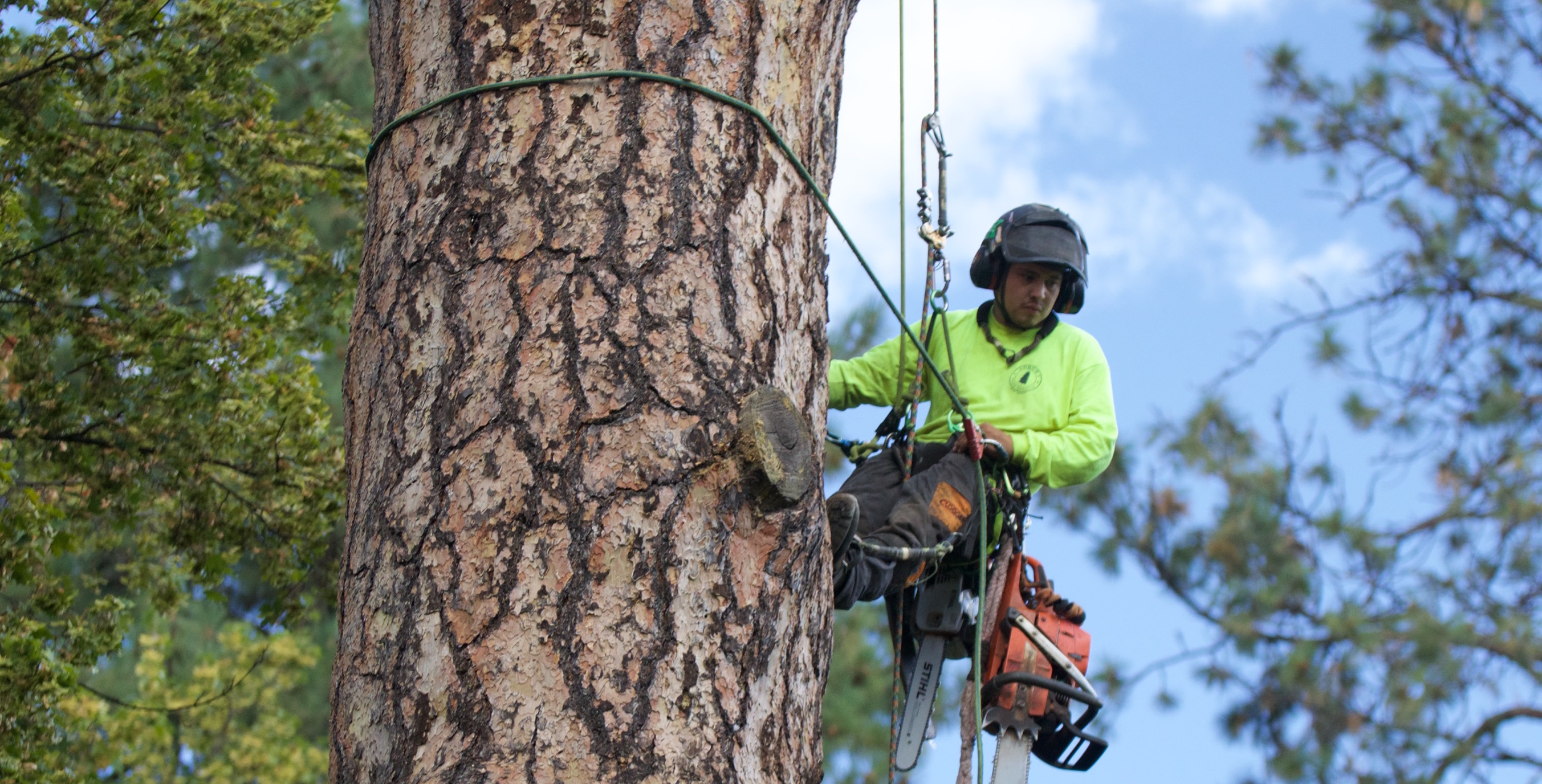
When severe storms strike, the resultant conditions may leave trees in perilous conditions, endangering structures and security. Professional arborists play a vital role in immediate action, inspecting weather-damaged trees to check how safe and healthy they are. Their expertise allows them to identify which trees can be salvaged and which are serious, instant risks that require extraction.
Equipped with specialized tools, tree experts are able to securely trim fractured limbs and haul away refuse, preventing subsequent injury to nearby locations. They also provide valuable advice on risk mitigation, such as choosing sturdy types of trees for subsequent landscaping.
Beyond just quick action, arborists help homeowners understand the possible lasting consequences of the storm, providing advice for restoration and healing. Through quick and effective action, professional arborists not only protect property but also aid in the recovery of the local environment following major weather events.
Tree Nutrition and Earth Maintenance
Subsequent to storm damage, the priority becomes the well-being of the trees that remain, highlighting the significance of nutritional support and earth maintenance. A certified tree specialist assesses soil conditions and tree vitality to ascertain specific nutritional needs. Trees require vital elements, like nitrogen, phosphorus, and potassium, to recover and thrive after stress events.
Soil management is vital to how nutrients are accessed and root growth. Arborists may recommend soil amendments, like organic matter, to improve the ground's composition and microbe function. Proper pH levels are also evaluated, as they affect nutrient uptake.
Applying mulch can help the soil hold water and prevent weed growth, making a suitable condition for tree recovery. By developing a thorough nutritional plan and applying successful ground care techniques, arborists guarantee trees recover their vigor, resilience, and total well-being, a factor essential to maintaining a balanced ecosystem after major environmental events.
Questions and Answers
How Often Should I Have My Trees Inspected?
Trees should be evaluated annually for peak health. Nevertheless, more regular inspections may be necessary for younger trees, post-major weather incidents, or if distress or illness becomes apparent.
What Expertise is Needed in an Arborist?
When seeking an arborist, one should look for credentials such as ISA (International Society of Arboriculture) accreditation, applicable work history, insurance coverage, and a solid name locally, confirming knowledge in arboriculture and safe procedures.
Do Arborists Utilize Special Equipment for Tree Care?
Arborists utilize various specialized tools for tree care, including chainsaws, pruning shears, climbing gear, and stump grinders. Every piece of equipment has a distinct function, facilitating good care, pruning, and tree extraction while promoting overall health and safety.
In What Ways Does the Weather Impact Tree Health?
The state of the weather strongly influences tree health; heavy rainfall may result in root rot, while drought stresses trees. Very high or low temperatures may cause damage to leaves and branches, in turn harming growth, resilience, and overall vigor of the trees.
Should I handle my own tree maintenance, or Is it better to hire an expert?
While some basic tree care tasks can be done by people themselves, it's often wise to employ a professional - Florence Arborist. Experts possess specialized knowledge and tools, which guarantees the trees get the right maintenance needed for the best possible health and growth